For those who are enthusiastic in enhancing people’s lives and bringing about long-lasting change, jobs as Community Development Officers with non-governmental organizations (NGOs) offer a fantastic opportunity. NGOs are essential in tackling social, economic, health, educational, and environmental issues in local areas. To determine community needs, plan development initiatives, fortify alliances, and guaranty that programs have a significant impact, they depend on qualified Community Development Officers.
This job path can be ideal if you appreciate working with people, addressing community issues, and supporting long-term development initiatives. In order to carry out initiatives that enhance livelihoods, Community Development Officers collaborate closely with local authorities, governmental organizations, funders, volunteers, and community members and encourage sustainable growth.
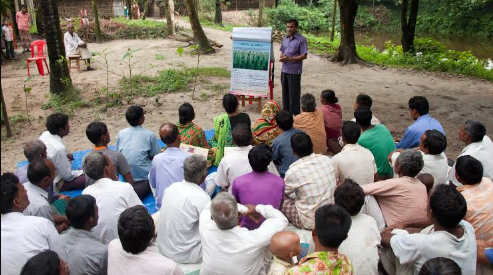
What Is the Role of a Community Development Officer?
Planning, carrying out, overseeing, and assessing initiatives that enhance community well-being fall within the purview of a community development officer. Education, healthcare, agriculture, women’s empowerment, youth empowerment, environmental conservation, food security, and economic development are some of the topics they frequently work on.
Building trusting relationships with community people is essential to the job, as is making sure that development initiatives meet donor requirements and the organization’s objective. Additionally, community development officers assist communities in determining their objectives and actively contribute to the creation of solutions for regional problems.
■ Important Duties
Depending on the NGO and project, the precise tasks may change, but typical jobs include:
● Using sustainable development projects to assist marginalized communities.
● Finding funding sources and supporting the creation of proposals.
● Ensuring projects adhere to donor criteria and organizational policies.
● Organizing awareness campaigns and training sessions.
● Forming alliances with stakeholders and local government representatives.
● Responsible resource and budget management for projects.
■ Qualifications Needed
The majority of NGOs look for applicants with relevant educational credentials, like:
》Bachelor’s Degree in Community Development; focuses on enhancing the social, economic, and living situations of communities.
》Social Work; By addressing social issues and fostering well-being, social work prepares professionals to assist individuals, families, and communities.
》Development Studies; This field studies political, social, and economic development and prepares graduates to plan and oversee development initiatives.
》Sociology studies; In order to better understand and address social concerns, sociology studies human society, interpersonal connections, and community behavior.
》Public Administration; In order to enhance community welfare, public administration focuses on administering public services, government institutions, and policies.
》Rural Development; Focuses on enhancing rural areas’ economic prospects, infrastructure, agriculture, and quality of life.
》International Development; Focuses on tackling global development issues like poverty, health, education, and humanitarian aid.
》Project management; teaches students how to properly plan, organize, carry out, oversee, and finish projects on schedule and within budget.
》Environmental Studies; Addresses sustainable development strategies, natural resource management, and environmental preservation.
》Public Health or Related Disciplines; Thru education and public health initiatives, the field of public health or related disciplines aims to improve access to healthcare services, prevent disease, and promote community health.
Diploma holders with a lot of field experience might also be taken into consideration by some firms.
■ Crucial Competencies
Effective Community Development Officers typically have the following abilities:
● Effective communication abilities.
● Outstanding social skills.
● Experience mobilizing the community.
● Coordination and planning of projects.
● Teamwork and leadership.
● The ability to solve problems.
● The ability to write reports.
● Knowledge of monitoring and assessment.
● Management of the budget.
● Knowledge of computers.
● Effective time management.
● Conflict settlement and negotiation.
● Presentation and public speaking abilities.
● Data gathering and examination.
● The capacity to operate autonomously in both urban and rural areas.
■Preferred Experience
Many NGOs favor candidates with prior expertise in:
》Community outreach programs; These are initiatives that establish connections with nearby communities in order to offer vital services, resources, support, and education.
》Organizing, training, scheduling, and managing volunteers to assist in carrying out community initiatives and activities is known as volunteer coordination.
》Livelihood enhancement projects; Initiatives that assist individuals in raising their income and standard of living thru employment, skill development, or small business assistance.
》Youth development initiatives; Projects that assist young people in developing their confidence, education, leadership skills, and employment prospects.
》Programs that assist women’s education, economic independence, leadership, health, and rights in order to advance gender equality are known as women’s empowerment programs.
》Health awareness campaigns; Community-based initiatives that inform people about nutrition, sanitation, healthy lifestyles, disease prevention, and accessible medical services.
Recent graduates who are eager to learn and work in field settings may also find entry-level positions.
■ Advantages of Collaborating with an NGO
There are several advantages to being a Community Development Officer, both personally and professionally. These advantages include:
● Opportunities to visit various communities.
● Work that has a positive impact on people’s lives.
● A collaborative and encouraging workplace.
● Possibilities to support long-term societal change.
● Competitive pay based on donor funds and credentials.
● Possibilities for networking with regional and global partners.
● Employe wellness initiatives and health insurance (where appropriate).
■ A typical workplace
Depending on the locations of their projects, Community Development Officers operate in a variety of environments. These could consist of:
》Rural communities; Places outside of large towns and cities where community programming, health care, education, and agriculture are supported by development initiatives.
》Local offices where non-governmental organizations oversee personnel, plan projects, and provide services directly to communities are known as “NGO field offices.”
》Community centers are public spaces where people congregate for social events, health awareness campaigns, educational programs, training, and gatherings.
》Programs and organizations that offer refugees and others impacted by catastrophes or wars emergency relief, food, shelter, healthcare, education, and protection are known as refugee and humanitarian assistance programs.
》Hospitals, clinics, health centers, and dispensaries are examples of healthcare institutions where medical professionals offer patient care, health education, and medical services.
》Local government offices are government establishments that organize and carry out community development programs, public services, and local administrative tasks.
》Agricultural project sites; Farms, demonstration plots, and rural development sites where agricultural initiatives support sustainable livelihoods, better farming practices, and food security.
Frequent travel to project locations and frequent engagement with community members are common components of the role.
■ How to Write a Powerful Application
Take into consideration the following advice to increase your chances of landing a job as a Community Development Officer:
● Customize your resume to emphasize volunteer work, project experience, and community involvement.
● Describe your enthusiasm for community development in a polished cover letter.
● Incorporate quantifiable accomplishments from prior positions or volunteer work.
● Emphasize pertinent soft and technical skills.
● Bring up any certificates in first aid, project management, monitoring and assessment, or safety.
● During interviews, prepare examples that show problem-solving, collaboration, and leadership.
● Make sure you submit all necessary paperwork and apply well in advance of the application deadline.
■ Opportunities for Professional Development
With more training and experience, Community Development Officers can advance into senior leadership roles. Among the possible job pathways are:
》Project Manager; Plans, coordinates, and supervises projects to guaranty their timely, cost-effective, and goal-achieving completion.
》Monitoring and Evaluation Officer; Gathers and examines project data to assess outcomes, gage progress, and suggest enhancements.
》Senior Community Development Officer; Oversees activities that enhance people’s livelihoods and well-being, works directly with local communities, and leads community development projects.
》Program Officer; Oversees daily program operations, assists in project implementation, and guaranties that goals are met.
In order to guaranty that donor needs are fulfilled, the Grants Officer oversees grant applications, funding agreements, budgets, and reporting.
》Country Program Officer; works with local partners, stakeholders, and project teams to support and organize initiatives inside a particular nation.
》Regional Program Manager; Oversees several programs in several nations or areas, leads regional teams, exercises strategic leadership, and makes sure programs are in line with company goals.
Additionally, a lot of experts move into global development organizations, government development agencies, and international humanitarian groups.
Generally;
For those who are committed to making a good social effect, an NGO’s Community Development Officer position is a fantastic opportunity. In order to enhance the quality of life for people and communities, the role integrates project management, community participation, leadership, and partnership-building. As the need for sustainable development initiatives grows in many areas, skilled workers are still essential to bringing about significant change. You can improve your chances of landing a fulfilling and significant job in the NGO sector by crafting a compelling application, showcasing pertinent talents, and exhibiting a sincere dedication to community service.