A new position as a “Livelihood Project Officer” is open to skilled and driven people. Candidates that are enthusiastic about sustainable livelihood initiatives, economic empowerment, poverty alleviation, and community development should apply for this role. Officers of livelihood projects are crucial in helping people, households, and communities increase their capacity to generate income and strengthen their economic resilience.
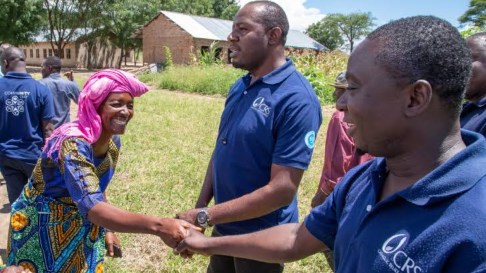
What is the role of a Livelihood Project Officer?
The planning, execution, oversight, and reporting of livelihood projects are the responsibilities of a livelihood project officer. Agriculture, entrepreneurship, vocational training, savings groups, small enterprises, youth employment, women’s economic empowerment, and income-generating activities are some of the topics that these programs might concentrate on.
The officer may collaborate closely with locals to determine their financial difficulties and create workable solutions. Working directly with local leaders, government officials, community organizations, beneficiaries, and project partners is a common feature of the job.
》》Important Duties
》 Project Execution
In accordance with authorized work plans, finances, and organizational protocols, the Livelihood Project Officer assists in carrying out project activities. They might plan community gatherings, training sessions, entrepreneurial endeavors, agricultural projects, and other livelihood interventions.
》 Community Mobilization
Community engagement is an important part of this position. The officer may conduct community meetings, identify beneficiaries, explain project objectives, and encourage participation in livelihood activities.
》 Training and Capacity Building
The officer may provide or coordinate training on entrepreneurship, financial literacy, savings, business management, farming techniques, vocational skills, and other subjects that can help beneficiaries increase their economic opportunities.
》 Monitoring and Evaluation
Livelihood projects need regular monitoring to determine whether activities are achieving their intended results. The officer may collect information from beneficiaries, track project indicators, document achievements, identify challenges, and contribute to project reports.
》 Stakeholder Coordination
The position often requires collaboration with government departments, NGOs, community-based organizations, private-sector partners, trainers, local leaders, and other stakeholders involved in livelihood development.
》》Qualifications for Education
Candidates having credentials in areas like these may be taken into consideration by employers:
●Markets, employment, public policy, poverty, and resource allocation are the main topics of economics.
●Combining agriculture and economics, agricultural economics focuses on farming, food systems, markets, and rural lifestyles.
●Rural Development trains graduates to assist rural areas’ social and economic development.
●Social work provides skills in social services, case management, vulnerable population aid, and community support.
●Sociology studies community behavior, institutions, inequality, social interactions, and society.
●Local development initiatives, community mobilization, empowerment, and involvement are the main focus of community development.
●Development Studies offers a comprehensive understanding of international development, NGOs, development policy, sustainable development, and poverty alleviation.
An application may be strengthened by further professional training in project management, monitoring and evaluation, entrepreneurship, or community development.
》》Crucial Competencies
Successful applicants should have excellent organizational and communication skills. Among the useful abilities are:
● Observation and Assessment
Tracking project activities, assessing progress, and figuring out whether project goals are being met are all part of monitoring and evaluation. To evaluate results and pinpoint areas that require improvement, professionals employ indicators, targets, field visits, surveys, and performance reports.
● Writing Reports
The ability to create concise, well-structured documentation outlining project operations, accomplishments, difficulties, costs, and suggestions is known as report writing. Effective reports enable stakeholders, donors, and managers to comprehend project progress and make well-informed decisions.
●Data Collection and Analysis
This skill involves gathering accurate information through interviews, questionnaires, observations, surveys, and other methods. The collected data is then organized and analyzed to identify trends, measure results, and support evidence-based project decisions.
● Instruction and Assistance
Professionals can lead workshops, community meetings, seminars, and capacity-building events with the help of training and facilitation skills. They entail providing clear information, promoting involvement, responding to inquiries, and assisting participants in gaining useful skills.
● Awareness of Budgets
Knowing how project funds are planned, distributed, tracked, and utilized is known as budget awareness. Employes don’t have to be financial experts, but they should be aware of approved budgets, steer clear of wasteful spending, and make sure that tasks are carried out within the constraints of available funds.
● Solving Issues
Problem-solving entails recognizing obstacles, examining their root causes, and creating workable solutions. Issues including delays, scarce resources, poor community involvement, or unforeseen changes in project activity may need project staff to react.
● Organizing Projects
Prior to implementation, project planning entails establishing goals, tasks, deadlines, roles, resources, and anticipated outcomes. Effective planning facilitates teamwork, resource management, risk identification, and project goal achievement.
Where Can Officers of Livelihood Projects Work?
Opportunities in “NGOs, humanitarian organizations, development agencies, government programs, community-based groups, agricultural initiatives, and international development programs” are available to livelihood professionals. Certain jobs need a lot of fieldwork, especially in underdeveloped and rural areas.
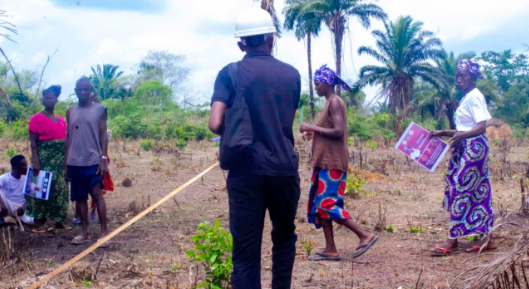
Why Take a Look at This Career?
One way to directly contribute to social and economic development is as a Livelihood Project Officer. Professionals can acquire expertise in sustainable development, monitoring and evaluation, donor-funded initiatives, project management, and community involvement.
Opportunities for career advancement into roles like “Project Manager, Program Officer, Livelihoods Coordinator, Economic Empowerment Specialist, Monitoring and Evaluation Officer, or Program Manager” may also arise from the experience.
How to Apply
Before submitting an application, candidates should thoroughly read the official job advertisement. Create a current resume that emphasizes pertinent training, project experience, community development experience, technological expertise, and quantifiable accomplishments.
If necessary, attach a formal cover letter outlining your interest in the Livelihood Project Officer role and how your skills align with the duties. Before the deadline, submit the application via the “official recruitment channel” of the employer.
Concluding Remarks
If you have experience in development projects, livelihoods, agriculture, entrepreneurship, or community development, this kind of job can be a great way to advance your career and help communities have better economic prospects. “Interested candidates should verify the specific employer, location, qualifications, salary, application deadline, and application procedure in the official vacancy notice before applying.”