Agricultural Extension Officers are crucial to enhancing farming methods, assisting rural populations, and raising agricultural output. They collaborate closely with farmers to offer useful information on climate-smart agriculture, pest and disease control, crop productivity, animal management, soil conservation, farm business management, and the use of new technology. Agricultural extension serves as a crucial conduit between farmers and agricultural research, assisting in the conversion of scientific discoveries into workable solutions for rural communities.
》 Job Opportunities for Agricultural Extension Officers
Government agricultural departments, municipal governments, NGOs, farmer cooperatives, research organizations, agribusiness firms, development initiatives, and international organizations are all possible employers for agricultural extension officers. Agricultural extension services in Tanzania include creating extension materials, monitoring extension performance, strengthening extension workers’ capacity, and offering farmers and local government officials professional guidance on Good Agricultural Practices.
The variety of prospects in this industry is demonstrated by Tanzania’s recent agricultural recruiting. For instance, the Rift Valley Cooperative Union had a position open for an Agricultural Field Extension Officer in 2026 that would involve training farmers, sharing agricultural research, encouraging better farming methods, gathering agricultural data, and supporting suitable agricultural technologies.
》 Agricultural Extension Officers’ Principal Duties
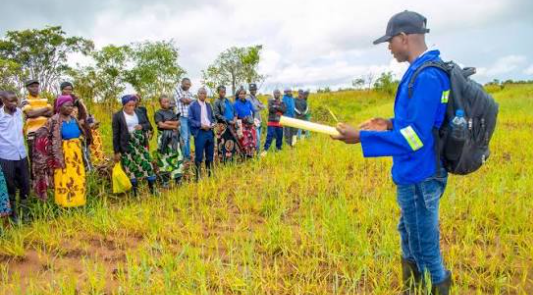
It is expected of Agricultural Extension Officers to collaborate closely with rural communities and farmers. Conducting farm inspections, detecting production obstacles, planning farmer training sessions, setting up demonstration plots, gathering agricultural data, and assisting farmers in implementing better production practices are some of their duties.
Additionally, they might offer farmers advice on better seeds, soil management, crop protection, irrigation, animal production, post-harvest handling, market prospects, and sustainable land-use practices. Officers perform surveys and interviews as part of several rural development programs to learn about farming systems, production limitations, dangers, and the requirements of various farmer types.
Linking farmers to agricultural innovation and research is another crucial duty. Extension agents can assist in testing new technology in farmers’ fields and effectively convey study findings. This promotes the adoption of methods that can raise household income and productivity and aids farmers in making well-informed decisions.
》 Requirements for Education
Depending on the employer and employment level, different educational requirements apply. A diploma or bachelor’s degree in agriculture, agricultural extension, agronomy, rural development, agricultural economics, animal science, or a similar field is required for many professional roles as agricultural extension officers.
For instance, a Tanzanian job posting for agricultural field extension in 2026 requested a diploma in general agriculture, agricultural field/extension, or a similar field along with applicable experience.
A Bachelor of Science in Agriculture or a similar agricultural or rural development subject may be necessary for other employment, especially those that involve technical fieldwork and project implementation.
Because different employers may have different criteria for academic credentials, professional experience, driving, language proficiency, and other factors, applicants should carefully review the exact job posting.
》》 Crucial Competencies Employers Seek
Both technical agricultural knowledge and excellent interpersonal skills are necessary for Agricultural Extension Officers to be successful. Crucial skills include:
● Understanding crop production, livestock husbandry, sustainable farming, and agricultural extension techniques is known as “agricultural production and extension knowledge.”
● The capacity to instruct farmers, lead demonstrations, plan seminars, and impart useful farming knowledge is known as “farmer training and facilitation skills.”
● Excellent interpersonal and communication skills, The capacity to establish constructive connections with farmers, communities, coworkers, and stakeholders.
● Data collection and report-writing skills, The capacity to gather precise field data, keep track of documents, evaluate fundamental data, and draft understandable reports.
● The ability to use basic computer programs like Microsoft Word, Excel, email, and digital data collection tools is known as computer literacy.
● Strong time-management and organizational abilities, the capacity to efficiently prioritize tasks, manage schedules, plan field activities, and meet deadlines.
● The capacity to collaborate with government agencies, NGOs, farmers’ organizations, agricultural officers, and other development partners.
English and Swahili communication, Microsoft Office proficiency, rural fieldwork, teamwork, independence, and a current motorbike driving license were also highlighted in some recent Tanzanian agricultural extension hiring.
》 Employment in Farming Communities in Rural Areas
Officers in charge of agricultural extension should be ready for extensive fieldwork. These employment may necessitate regular visits to farms, villages, demonstration plots, farmer groups, and agricultural initiatives, in contrast to office-based jobs.
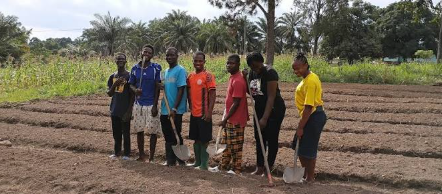
Patience, cultural sensitivity, adaptability, and the capacity to communicate technical concepts in basic, useful language are all necessary for working well in rural communities. Extension agents must pay attention to farmers, comprehend local production conditions, recognize problems, and suggest workable solutions for the community.
Because extension agents actively support better farming methods, food security, rural lives, and agricultural growth, their work can be especially fulfilling.
■ Opportunities for Career Development
There are various career paths available to an Agricultural Extension Officer. Professionals can advance into roles like Senior Agricultural Extension Officer, Agricultural Project Officer, Agronomist, Rural Development Officer, Agricultural Training Specialist, Field Coordinator, Monitoring and Evaluation Officer, or Agricultural Program Manager with further training and experience.
Agroecology, horticulture, animal production, irrigation, agricultural economics, agribusiness, climate-smart agriculture, farmer organization development, and agricultural value chains are just a few of the specializations available to professionals.
■ How to Apply for Jobs at Agricultural Extension
Candidates should start by finding positions that align with their professional expertise and educational background. Before submitting an application, carefully review the job description to be sure you meet the requirements.
Create a current resume that emphasizes your agricultural education, field experience, farmer training activities, research or demonstration plot experience, computer skills, communication ability, and understanding of rural development. Include knowledge of particular crops, livestock systems, agroecology, agroforestry, irrigation, or agricultural value chains, if appropriate.
A strong cover letter should highlight your qualifications for the role and show that you are committed to helping farmers and rural communities. Adhere strictly to the employer’s application guidelines and send in all required paperwork by the deadline.
》 The Significance of This Career
The creation of resilient and profitable rural farming systems depends on Agricultural Extension Officers. In addition to communicating farmers’ difficulties to researchers, governmental bodies, and development groups, they assist farmers in gaining access to information, technologies, better farming methods, and agricultural services.
Agricultural extension can offer a fulfilling career path with chances to work directly with farming communities and contribute to food security and economic development for job seekers with agricultural credentials and a love for rural development.
■ Concluding Application Guidance
If you are qualified for the role of Agricultural Extension Officer, make sure your application is well-prepared and highlights your real-world field experience. Emphasize your skills in training farmers, gathering and analyzing data, resolving agricultural issues, working in rural areas, and effectively communicating with various stakeholders.
Don’t send generic applications to every position. Make sure your cover letter and CV are tailored to each employer’s unique criteria. Above all, before applying, confirm the current position, employer, application process, and deadline via the company’s official recruitment channel.
For experts who wish to integrate agricultural expertise with community development and hands-on fieldwork, agricultural extension is still a worthwhile career path. Applicants can seek possibilities that directly support the development of sustainable rural farming if they have the necessary credentials, expertise, and dedication to farmers.