Professionals in veterinary medicine and livestock management are crucial to maintaining animal health, boosting livestock output, safeguarding public health, and bolstering rural communities. Opportunities exist for experienced experts in veterinary medicine, animal health, livestock production, farm management, animal nutrition, and associated agricultural disciplines as the market for high-quality animal products continues to expand. Opportunities to work with farmers, veterinary clinics, animal farms, agricultural groups, government agencies, research facilities, and development initiatives may arise from these professions.
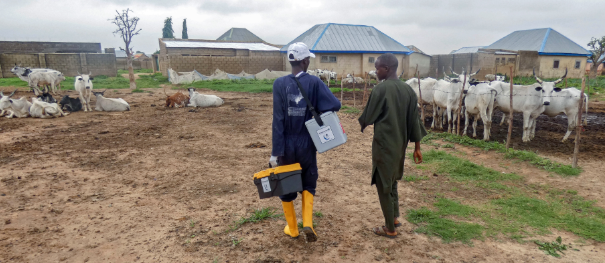
》 Career Opportunities in Veterinary and Livestock Management
Careers in livestock management and veterinary medicine involve a variety of professional duties. Veterinary Officer, Veterinary Assistant, Livestock Officer, Animal Health Officer, Livestock Production Specialist, Animal Nutritionist, Farm Manager, Animal Breeding Technician, Field Veterinarian, and Livestock Extension Officer are among the positions that may be open, depending on an applicant’s training, experience, and area of expertise.
The prevention, diagnosis, and treatment of animal diseases are often the responsibilities of veterinary specialists. They might do tests, treat patients, offer vaccinations, counsel farmers on animal health, and support disease prevention initiatives. Professionals in livestock management, on the other hand, could concentrate on enhancing farm operations, animal welfare, breeding programs, feeding systems, animal production, and livestock marketing.
Both urban and rural communities may use these professions. Animal health specialists are needed at veterinary clinics and hospitals, and those with hands-on experience in animal production and management are needed in commercial farms, ranches, dairy operations, poultry businesses, and livestock projects.
● Veterinarian
Veterinary officers are in charge of offering expert veterinary care and assisting in the preservation of animal health. Examining animals, diagnosing illnesses, suggesting treatments, giving immunizations, carrying out disease surveillance, and counseling livestock owners are some of their responsibilities.
A veterinary officer may also take part in public health initiatives and campaigns to prevent animal diseases. For this role, a solid understanding of veterinary medicine, animal welfare, illness prevention, and professional ethics is essential.
● Officer of Livestock Management
Livestock management officers assist farmers and livestock producers in managing animal businesses and increasing output. They may provide farmers with advice on animal husbandry, illness prevention, housing, feeding, breeding, and maintaining farm records.
Additionally, they might plan training sessions for farmers, go on field trips, gather data on agriculture, and assist with livestock development initiatives.
● Production and Animal Health Assistant
Veterinary and livestock experts receive hands-on assistance from Animal Health and Production Assistants. They might help with farm inspections, feeding activities, livestock records, immunization programs, animal examinations, and farmer education.
Depending on the needs of the business, candidates with appropriate degrees, certificates, or technical training in animal health, livestock production, or agricultural sciences may be qualified for this position.
》 Principal Duties
Depending on their particular work titles and employers, veterinary and livestock management experts may carry out a variety of tasks. Typical duties consist of:
● Teaching farmers about disease prevention and biosecurity.
● Writing reports on field operations and livestock activities.
● Assisting teams in community development and agriculture.
● Keeping correct livestock and veterinary records.
● Endorsing programs for animal improvement and breeding.
● Giving farmers advice on how to feed and nourish their animals.
● Examining livestock facilities and suggesting enhancements.
● Encouraging appropriate animal husbandry and welfare methods.
》 Requirements for Education and Qualifications
Because credentials differ between employers and positions, candidates should carefully evaluate the educational criteria listed in each opening. Recognized veterinary education and, if necessary, professional registration or licensure may be prerequisites for veterinary professions. Qualifications in animal science, livestock production, agriculture, animal health, veterinary-related studies, or another pertinent discipline may be necessary for livestock management roles.
While professional and administrative professions may demand a bachelor’s degree or higher level of education, entry-level and technical employment may accept certificates or diplomas. Additionally, certain employers could need professional qualification, specialized training, or prior field experience.
Before starting the application procedure, candidates should make sure that their professional and academic records are correct and accessible.
》 Crucial Competencies Employers Seek
Employers frequently seek applicants who can exhibit practical and interpersonal abilities in addition to academic credentials. Professionals in the veterinary and livestock fields often have direct interactions with farmers, animal owners, coworkers, government representatives, and members of the community.
Essential Competencies for Professionals in Veterinary and Livestock Management
● Capacity to operate in rural and difficult settings, Capable of operating in isolated locations, farms, livestock facilities, and communities with potentially difficult working conditions.
● Knowledge of safe animal handling, feeding, breeding, vaccination, illness prevention, and general livestock care.
● Excellent interpersonal and communication skills: the capacity to interact with coworkers, government representatives, farmers, livestock owners, and members of the community.
● Problem-solving and decision-making skills, Able to recognize issues related to animal health or productivity and make the right choices based on the information at hand.
● The ability to accurately document animal health, treatments, immunizations, breeding, productivity, and field operations.
● Time-management and organizational skills, the capacity to set priorities, oversee field visits, adhere to deadlines, and effectively plan veterinary or livestock-related operations.
An applicant’s profile can also be strengthened by practical experience obtained by field placements, livestock projects, veterinary clinics, farms, research programs, or agricultural organizations.
》 Locations for Livestock and Veterinary Professionals to Work
Opportunities for qualified professionals can be found in a variety of industries. Commercial farms may hire experts in livestock production and farm management, while veterinary clinics and animal hospitals offer chances for animal health professionals.
Professionals with expertise in animal health, disease management, livestock extension, inspection, and agricultural development may be employed by government agricultural and livestock departments. For programs pertaining to food security, rural livelihoods, climate resilience, animal health, and agricultural development, NGOs and development organizations may also hire livestock specialists.
Research institutions, universities, veterinary pharmaceutical firms, animal-feed companies, breeding organizations, dairy companies, poultry enterprises, ranches, abattoirs, and livestock supply companies are other possible employment.
》 How to Get Ready for Your Application
Before submitting an application, candidates should create a polished, current resume that highlights their training, professional credentials, employment history, technological expertise, and noteworthy accomplishments. The CV should be easy to read and customized for the particular role.
A cover letter outlining their interest in the role and demonstrating how their credentials meet the employer’s expectations may also be required of applicants. Candidates should include copies of their credentials, professional registrations, identity documents, references, and any supporting documentation upon request.
Always adhere to the formal application guidelines provided by the business. Use the method listed in the job posting if an application must be submitted via an online portal, email address, recruitment system, or physical office.
● Strategies for a Powerful Application
A compelling submission should show technical proficiency as well as a sincere interest in cattle development and animal health. Candidates should carefully study the job description to determine the skills and qualifications that the business is emphasizing.
Don’t send the same generic CV to every job. Instead, when applying for jobs in animal health, stress your veterinarian experience; while looking for jobs in livestock management, focus on your experience in livestock production, farm management, nutrition, breeding, or agricultural projects.
Additionally, before submitting their documents, applicants should proofread them. An otherwise excellent application may be weakened by misspellings, incorrect contact information, missing attachments, or disregard for instructions.
》》 Professional Development in Livestock and Veterinary Management
Opportunities for long-term professional development may be found in veterinary and animal management. Professionals can progressively advance into senior technical, supervisory, managerial, research, consulting, or specialty jobs after starting in technical, assistant, field, or entry-level roles.
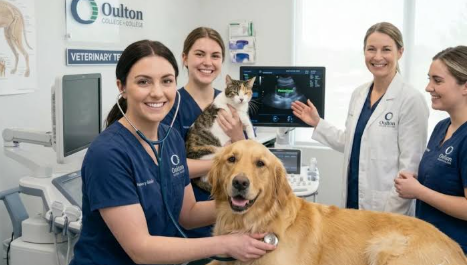
Candidates can gain expertise in fields including animal nutrition, epidemiology, livestock genetics, dairy production, poultry production, veterinary public health, animal welfare, agricultural economics, or livestock value-chain development with further education and professional training.
It’s also becoming more and more important to keep improving your digital skills. In contemporary agricultural and veterinary programs, professionals may utilize computers, mobile applications, digital record systems, geographic information tools, online reporting platforms, and data-management systems.
》》 Apply Now for Livestock and Veterinary Positions
Professionals in veterinary and animal management who fit the job descriptions should think about applying as soon as they can. Particularly when employers receive a lot of applications, candidates shouldn’t wait until the last day to submit their applications.
Check the job title, closing date, necessary credentials, workplace, application process, and supporting documentation before submitting an application. Above all, candidates should only apply thru reputable means and confirm the employer before giving personal information or paying any expenses associated with the recruitment process.
Concluding Words for Job Seekers
For those who are enthusiastic in animal health, agriculture, food production, and rural development, the veterinary and livestock industry offers a variety of job options. It is crucial to match your talents with the appropriate opportunity, regardless of your background as a veterinarian, livestock expert, animal-health technician, agricultural graduate, or certified livestock management professional.
Maintain an up-to-date resume, gain relevant real-world experience, hone your technical and communication abilities, and keep an eye out for job openings on credible companies and recruitment sites. When a good chance arises, carefully read the application guidelines and send in a thorough, polished application before the deadline.Professionals in the veterinary and cattle management fields are urged to have their paperwork ready, thoroughly consider open openings, and apply for jobs that fit their skills and background.