In recent years, the importance of economic growth in emerging or third-world nations has grown. Due to industrialization, technical improvement, foreign investment, and increased commercial relations, many emerging countries in regions like Africa, Asia, and Latin America have seen consistent economic growth. For millions of people, this increase has had both positive and challenging effects on work opportunities.
The development of new jobs is one of the main effects of economic expansion in emerging nations. Businesses need more labor and increase production as economies grow. Both skilled and unskilled workers can now find work in industries like manufacturing, construction, agriculture, tourism, and services. Industrial development and export-oriented sectors have significantly increased employment in nations like Ethiopia, Vietnam, and India.

The expansion of employment has also been greatly aided by foreign direct investment (FDI). Due to cheaper labor costs and growing markets, multinational corporations set up headquarters, factories, and production facilities in developing nations. Through supply chains, transportation, and support services, these investments provide both direct and indirect employment possibilities. For instance, millions of people, mostly women, have been engaged by investments in textile industry in nations like Bangladesh.
The expansion of small and medium-sized businesses (SMEs) and entrepreneurship have been further stimulated by economic growth. People can launch firms thanks to expanding consumer markets, digital technologies, and better access to financing. Because they employ a sizable fraction of the labor population and make a substantial contribution to national income, SMEs are essential to the development of jobs. Small enterprises in retail, agriculture, and IT have grown to be significant employers in many African nations.
The expansion of the digital economy has created new job prospects. Digital services, e-commerce, remote employment, and freelancing have all been made easier by increased internet usage and mobile technologies. A growing number of young people in developing nations are working as content producers, software engineers, virtual assistants, and online marketers. Geographical boundaries have been lessened and workers are now connected to international labor markets because to this digital shift.
Education and skill development have also improved as a result of economic expansion. Increased revenue allows governments to invest more in technical skills programs, vocational training, and educational institutions. Employees with higher levels of education are more productive and employable, which helps them land higher-paying positions in developing industries.
Economic expansion, however, does not always ensure enough job opportunities. Growth in certain developing nations has been described as “jobless growth,” in which the economy grows without producing adequate jobs. This frequently happens when growth is focused in labor-intensive, capital-intensive industries like mining or oil extraction. when a result, even when national income rises, underemployment and unemployment may continue.
The mismatch between workers’ skills and available jobs is another problem. Many educational systems in emerging nations do not sufficiently educate graduates for contemporary labor markets, despite the fact that rapid technological growth necessitates specialized knowledge. Even in developing nations, this skills mismatch can result in significant young unemployment.
Inequality of income is still a problem. Even though aggregate employment may rise as a result of economic growth, the advantages are not always shared fairly. Regional imbalances are exacerbated by the fact that urban areas frequently create more jobs than rural ones. Additionally, informal employment is still common in many developing nations, where workers do not receive adequate pay, job security, or social safety.
In many third-world nations, labor markets are under strain due to population expansion. Even if economies are rising, they might not be able to create enough employment to keep up with the workforce’s rapid expansion. Because of this, a large number of young people experience long-term unemployment or participate in low-productivity informal enterprises.
Another significant effect of economic situations is migration. People are encouraged to relocate to cities in quest of employment due to the scarcity of jobs in rural areas. Urbanization can boost the economy, but if job creation does not keep up with population growth, it may also result in overcrowding, unemployment, and the emergence of informal settlements.
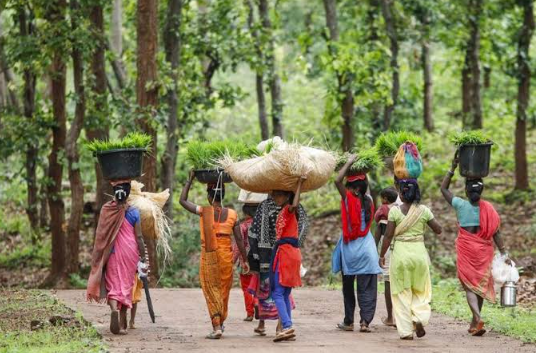
In conclusion, employment chances have been greatly impacted by the current economic boom in third-world nations through job creation, investor attraction, entrepreneurship, and technological innovation. However, the full employment benefits of economic expansion are still constrained by issues like population pressures, skill mismatches, jobless growth, and inequality. Policymakers must give education, industry diversification, skill development, and job-rich economic plans top priority if emerging nations are to achieve sustainable and inclusive growth.