With millions of young people joining the workforce each year, Africa has the youngest population in the world. The United Nations Development Programme claims that the continent faces both opportunities and difficulties as a result of this demographic shift. Africa’s youth have the potential to be a potent force for peace, economic growth, and sustainable development if they receive the right kind of support—education, work, and civic involvement. However, societal instability and insecurity may rise if their needs are disregarded.
Youth development is a crucial policy goal because the continent’s youthful population is expanding quickly. Over half of the population in several African nations is under 25. Because of this demographic reality, communities, governments, and development partners must make large investments in youth to guarantee that they grow up to be responsible, productive members of society.
One of the most crucial instruments for fostering youth security and peace is still education. Youth who have access to high-quality education are better prepared with information, critical thinking abilities, and chances for personal growth. Young people who get pertinent education and training are less likely to engage in violence and conflict because they are better equipped to find work and contribute positively to their communities.
The creation of jobs is equally important. Many African nations are still plagued by high rates of underemployment and youth unemployment. Economic hardship and dissatisfaction can rise when young people are unable to obtain respectable employment. Investing in digital skills, entrepreneurship, vocational training, and job creation initiatives can assist create sustainable livelihoods and lessen susceptibility to recruitment by extremist or criminal organizations.
Another important element in fostering peace and security is youth involvement in government and decision-making. Young individuals frequently have original thoughts and distinctive viewpoints on societal issues. Governments may guarantee that development policies reflect the expectations of younger generations and enhance democratic institutions by involving youth in policy formation, community leadership, and political processes.
African youth now have more ways to support peacebuilding initiatives thanks to technology and digital innovation. Young people can advocate for positive social change, mobilize communities, and share information through social media platforms, digital campaigns, and online learning resources. Additionally, early warning systems and conflict prevention programs throughout the continent can benefit from digital technologies.
Particular consideration should be given to the role of young women. For many African girls and young women, possibilities are still restricted by gender inequality. In addition to advancing gender equality, increasing young women’s access to leadership opportunities, healthcare, education, and financial services also boosts social cohesiveness and community resilience. Young women who are empowered play a significant role in both economic growth and peacebuilding.
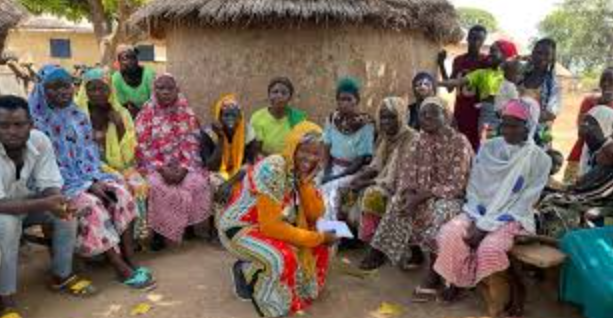
At the local and national levels, some young Africans are already spearheading effective peace efforts. They facilitate community discussions, arbitrate conflicts, encourage social inclusion, and assist marginalized groups. These grassroots initiatives show that youth are active change agents capable of tackling difficult social issues, not only recipients of development initiatives.
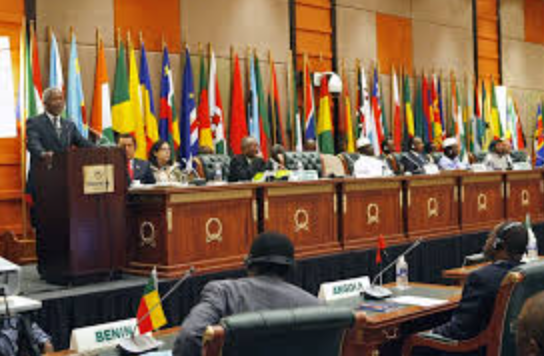
The African Union and other regional organizations have acknowledged the significance of youth involvement in peace and security. African leaders have pledged to increase young involvement in peacebuilding, conflict prevention, and governance through a variety of frameworks and programs. These programs demonstrate how young people are increasingly acknowledged as strategic players in creating societies that are rich and stable.
A comprehensive strategy that incorporates social inclusion, economic opportunities, education, and access to essential services is needed to address the underlying causes of insecurity. Instability is frequently caused by poverty, inequality, marginalization, and inadequate institutions. Governments may foster situations where youth are encouraged to pursue bright futures instead of becoming susceptible to violence and conflict by addressing these issues.
To maximize the potential of Africa’s youth, partnerships between governments, civil society organizations, the commercial sector, and foreign development agencies are essential. Collaborative initiatives can offer chances for civic engagement, funding, training, and mentorship. These collaborations aid in the development of ecosystems that promote sustainable development and youth empowerment.
In conclusion, the youth of Africa constitute a demographic necessity for security and peace. How well governments and other stakeholders invest in youth today will have a significant impact on the prosperity of the continent in the future. African countries can turn their youthful population into a potent force for peace, stability, and long-term development by increasing educational opportunities, generating employment, fostering inclusiveness, and encouraging meaningful participation in governance.