One of the most crucial components of a job application is a cover letter. It presents you to the employer, outlines your credentials, and explains why you are the most qualified applicant. A cover letter allows you to share your professional background and show your passion for the position, while your resume displays your qualifications.
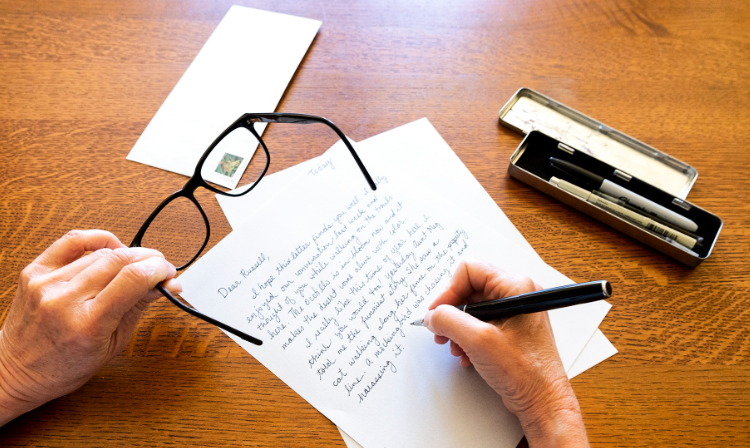
Doing extensive research on the business and the role is the first step in crafting a strong cover letter. Examine the job description closely to determine the essential abilities, credentials, and duties that the employer is looking for. It demonstrates that you have taken the effort to comprehend the needs of the organization when you tailor your cover letter to the particular position.
Put your name, contact details, and the date in a formal header at the beginning of your cover letter. Whenever possible, refer to the hiring manager by name. Compared to a generic hello, a personalized greeting like “Dear Mr. Smith” or “Dear Hiring Manager” makes a better impression.
The employer should be drawn in by your initial paragraph right away. Give a brief explanation of your interest in the post for which you are applying. Mention a noteworthy accomplishment or credentials that establish you as a good contender right away.
Emphasize your most pertinent experiences and abilities in the second paragraph. Instead of just listing tasks, concentrate on accomplishments. Whenever feasible, use quantifiable outcomes. Give an example of how you successfully managed projects, raised sales, or enhanced customer satisfaction.
The third paragraph should highlight your familiarity with the business and your reasons for wanting to work there. Candidates who comprehend their mission, values, and objectives are valued by employers. You can stand out from the competition by demonstrating a sincere interest in the company.
Make sure your cover letter is focused and succinct. It should ideally be no more than one page. A straightforward letter is more likely to be read in its entirety because hiring managers frequently check a large number of applications.
Throughout the letter, keep your tone upbeat and use formal language. Steer clear of grammatical and spelling faults as well as excessively informal language. You can greatly increase your chances of creating a favorable impression by thoroughly proofreading your cover letter.
Use keywords from the job description whenever you can. Applicant tracking systems (ATS) are used by many organizations to screen applications. Your application may pass these first screening procedures if your language matches the job requirements.
Write a compelling conclusion paragraph to wrap up your cover letter. Thank the company for reviewing your application, reiterate your interest in the role, and indicate that you are open to discussing your qualifications in more detail during an interview.
An example of an introduction to a cover letter
Greetings, Hiring Manager I’m writing to convey my interest in working for your organization as a marketing coordinator. I am thrilled about the chance to be a valuable member of your team. I have three years of experience in digital marketing and a track record of boosting online engagement.
An example of an achievement paragraph
In my former position, I created and carried out social media campaigns that, in only six months, raised audience engagement by 40%. Additionally, I worked with cross-functional teams to start effective marketing campaigns that significantly increased the size of the company.
Your chances of getting an interview might be significantly increased with a strong cover letter. You may make a strong application that draws hiring managers’ attention and distinguishes you from other applicants by customizing your message, emphasizing pertinent accomplishments, exhibiting excitement, and upholding professionalism.