One of the best strategies for reducing poverty among young people in Sub-Saharan Africa is entrepreneurship. The creation of adequate formal work possibilities is still a significant concern due to the region’s rapid population expansion and big young demography. Young people can lessen their reliance on low-paying employment prospects by starting their own businesses, earning money, and contributing to economic development.
Youth entrepreneurship is acknowledged by the United Nations Development Programme (UNDP) as a vital route to poverty alleviation and sustainable development. Through a number of programs, the organization helps young business owners by giving them access to markets, financial opportunities, training, and mentorship. These programs assist young people in turning creative concepts into successful enterprises that can boost local economies and create jobs.
Limited access to financing is one of the main obstacles that young entrepreneurs in Sub-Saharan Africa must overcome. Many young people don’t have the connections, collateral, or credit history required to get loans from conventional financial institutions. UNDP promotes youth-friendly financing schemes, such as grants, startup funds, and microcredit programs that provide access to entrepreneurship, in collaboration with governments, financial institutions, and development partners.
Additionally, entrepreneurship fosters creativity by motivating youth to create answers to regional problems. Youth-led businesses throughout the region are tackling problems like digital services, trash management, renewable energy, food insecurity, and healthcare access. In addition to making money, these creative companies support local social and environmental advancement.
For African youth, digital technology has greatly increased their business options. Digital marketing, online learning resources, mobile banking, and e-commerce platforms allow business owners to expand their customer base and run more effectively. Initiatives for digital transformation that give youth the technological know-how they need to compete in a world economy that is becoming more and more digital are supported by UNDP.
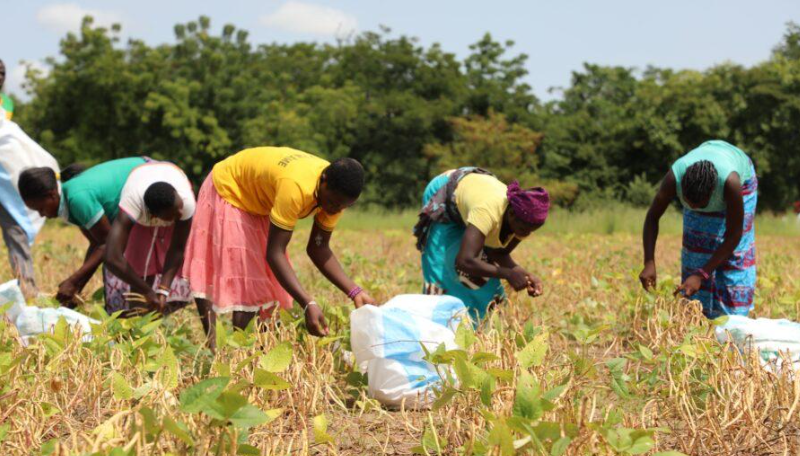
In Sub-Saharan Africa, agribusiness continues to be one of the most promising industries for young entrepreneurs. Although a significant portion of the population works in agriculture, many young people have always thought it is unappealing. Entrepreneurship initiatives are assisting young people in transforming agriculture into a lucrative and contemporary business sector that may provide significant employment through training, technology adoption, and value-addition opportunities.
Due to limited access to financing, limited property ownership, and gender inequality, women and young girls confront additional obstacles when it comes to entrepreneurship. By assisting women-owned companies, offering focused capacity-building initiatives, and pushing for laws that eliminate obstacles to women’s economic involvement, UNDP encourages inclusive entrepreneurship. Gender equality and poverty reduction are greatly aided by empowering young women entrepreneurs.
Another essential element of successful entrepreneurship is skill development. Many young individuals are ambitious and creative, but they lack marketing, financial literacy, and business management abilities. UNDP-funded entrepreneurship training programs assist young people in gaining useful skills that increase the long-term viability and survival rates of businesses.
Building thriving entrepreneurial ecosystems requires collaboration between governments, academic institutions, businesses, and development agencies. UNDP promotes cooperative strategies that establish nurturing settings where young entrepreneurs can obtain company development services, networking opportunities, incubation centers, and mentorship.
By creating economic opportunities that lower unemployment and social marginalization, entrepreneurship also promotes social stability. Establishing businesses can help reduce poverty, deter migration motivated by economic hardship, and promote stronger community resilience in areas with high young unemployment. Young entrepreneurs who are successful frequently serve as role models for others, encouraging them to engage in profitable ventures.
Many youth-led businesses in Sub-Saharan Africa are showcasing the transformative potential of entrepreneurship. Young entrepreneurs are generating income, creating jobs, and supporting national development goals through everything from agricultural cooperatives in rural areas to technological businesses in metropolitan areas. Their accomplishments demonstrate how entrepreneurship can generate equitable economic progress.

To sum up, entrepreneurship is essential for empowering young people in Sub-Saharan Africa to fight poverty. Young entrepreneurs are receiving the opportunities, resources, and skills necessary to create profitable businesses with the help of the United Nations Development Programme and other development partners. Countries in the region can reduce poverty more quickly, foster innovation, generate jobs, and build a more wealthy and sustainable future for future generations by supporting young entrepreneurship.