The foundation of many East African economies are small and medium-sized businesses (SMEs), which play a major role in generating income, jobs, and economic expansion. SMEs play a major role in promoting local development in nations like Kenya, Tanzania, Uganda, Rwanda, and Burundi. Nonetheless, one of the key elements influencing these companies’ ability to thrive, grow, and successfully compete is their ability to obtain finance.

Credit gives SMEs the money they need to launch and run their enterprises. Since many East African business owners start out with little personal funds, loans and other forms of funding are crucial for buying equipment, leasing space, and collecting early goods. Many potential firms find it difficult to progress past the initial stage without access to reasonably priced credit.
The ability of finance to facilitate corporate expansion is one of its most important advantages. SMEs need more funding as they expand in order to boost output, open new locations, or penetrate new markets. Businesses can invest in these chances without having to wait years to make enough money thanks to credit. This increases their contribution to national economies and permits speedier expansion.
By investing in cutting-edge machinery and technology, credit also aids SMEs in increasing productivity. Companies with access to funding are in a better position to buy digital tools, machinery, and effective production methods. These expenditures boost competitiveness in both home and foreign markets, lower operating costs, and enhance product quality.
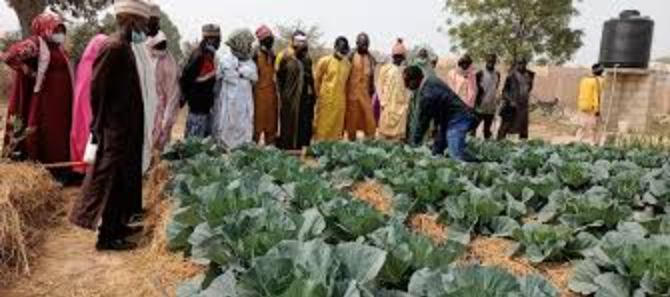
Credit is essential for supporting agribusiness SMEs in the agricultural industry, which employs a significant portion of the people in East Africa. Loans are used by farmers and agricultural business owners to buy high-quality seeds, fertilizers, irrigation systems, and storage facilities. Access to financing contributes to higher yields, lower post-harvest losses, and enhanced regional food security.
Supporting the creation of jobs is another crucial function of credit. SMEs frequently grow their businesses and add more employees after receiving funding. This helps lower unemployment, especially among young people, who account for a sizable section of the population in East Africa. Thus, expanding SMEs are a key driver of equitable economic growth.
Additionally, credit can assist companies in resolving cash flow issues. Seasonal variations in revenue or customer payment delays are common for SMEs. During challenging times, short-term loans and working capital facilities enable firms to pay for operating costs like rent, payroll, and supplier payments. This lowers the danger of closure and increases business stability.
Many SMEs in East Africa now have greater access to loans thanks to the expansion of digital financial services. Digital lending solutions and mobile money platforms have made it simpler for business owners to get funding, particularly in underdeveloped and rural areas. These developments boost financial inclusion among small business owners and lower obstacles related to traditional banking.
Better access to credit is especially beneficial for women-owned SMEs. Due to their lack of collateral and financial history, many female entrepreneurs in East Africa struggle to secure finance. By bridging this gap, targeted financing programs and microfinance efforts allow women to grow their enterprises, raise household incomes, and support more general economic development.
To enhance SME funding, governments and development organizations throughout East Africa have launched a number of projects. Financial institutions are encouraged to assist smaller enterprises by lowering lending risks through credit guarantee programs, entrepreneurship grants, and specific SME banking products. These initiatives are crucial for fostering an atmosphere that encourages business expansion.
Many SMEs still encounter obstacles while trying to obtain loans, despite the advantages. Entrepreneurs may not be able to get loans due to high interest rates, stringent collateral requirements, incomplete financial records, and insufficient financial awareness. Governments, financial institutions, and development partners must work together to address these issues and build more inclusive financial systems.
In conclusion, credit plays a critical role in facilitating the expansion and prosperity of SMEs in East African nations. It promotes economic resilience, job creation, technology adoption, business establishment, and growth. SMEs will be in a better position to spur innovation, generate jobs, and support sustainable economic growth across the East African area as access to suitable and reasonably priced financing keeps improving.