The foundation of Africa’s economy, small and medium-sized businesses (SMEs) play a major role in employment, economic growth, and innovation. Millions of small enterprises work in industries like manufacturing, trade, services, technology, and agriculture throughout the continent. Despite their significance, a number of SMEs have obstacles that restrict their ability to expand, such as restricted financial access, poor business acumen, and inadequate support networks.
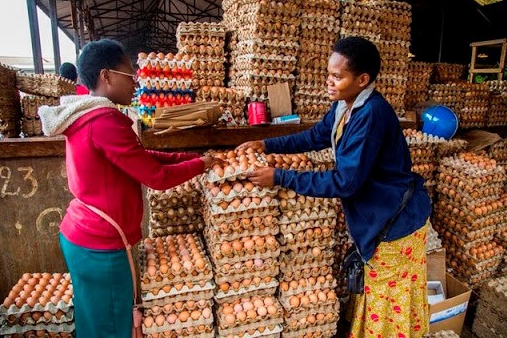
One of the biggest obstacles facing African SMEs is still getting loans. Many small business owners are unable to furnish the collateral, credit histories, and copious documentation that traditional finance institutions frequently demand. Promising businesses thus find it difficult to obtain the capital required to grow their operations, buy equipment, or recruit more staff. Enhancing the availability of reasonably priced loans might open up substantial financial prospects for business owners.
In order to close this funding gap, organizations like Credit Africa are crucial. These programs facilitate firms’ access to operating capital and investment money by matching entrepreneurs with appropriate financial products and encouraging financial inclusion. These initiatives are especially beneficial for businesses and startups that operate in underprivileged areas.
SME financing in Africa is also changing as a result of digital financial services. Compared to traditional banking channels, entrepreneurs can access cash more quickly and conveniently thanks to fintech advancements, digital lending solutions, and mobile banking platforms. These innovations lower transaction costs and extend financial services to isolated and rural locations with potentially inadequate banking infrastructure.
SME success depends on developing business skills in addition to funding. Despite having solid business concepts, many entrepreneurs lack expertise in bookkeeping, marketing, financial administration, and strategic planning. Business owners can make better judgments and increase operational efficiency by strengthening these abilities with the aid of capacity-building programs.
Programs for entrepreneurship training also give SMEs the skills they need to succeed in cutthroat markets. Entrepreneurs learn how to recognize opportunities, control risks, and adjust to shifting economic conditions through training, coaching, and mentoring. Higher business survival rates and long-term growth are facilitated by such training.
For African SMEs, having access to technology and digital skills has become crucial. Companies that use digital technologies can increase output, attract new clients, and simplify processes. E-commerce, digital marketing, data management, and online customer engagement training programs enable SMEs to successfully compete in both domestic and foreign markets.
Another essential component of SME development is support networks. Entrepreneurship hubs, business alliances, incubators, and accelerators offer useful tools like market connections, networking opportunities, and mentorship. By connecting with partners, investors, and prospective clients, these support systems enable business owners to exchange best practices and expertise.
In attempts to increase access to loans and support services, women-owned SMEs should receive special consideration. Additional obstacles that female entrepreneurs frequently encounter include restricted access to financial resources and limited asset ownership. Initiatives for capacity-building and targeted financing can aid in bridging these disparities and fostering equitable economic growth throughout African economies.
Additionally, youth-led businesses offer a significant chance for economic change. With one of the youngest populations in the world, many young people in Africa are using entrepreneurship as a means of finding work and making money. Offering funding, company development services, and mentorship to young entrepreneurs can spur innovation and generate employment.
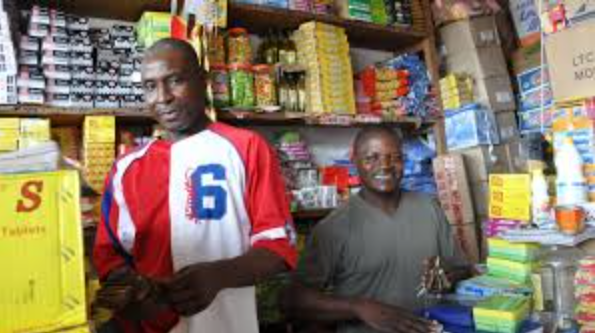
The SME ecosystem can be strengthened by governments, financial institutions, development organizations, and private sector partners. Policies that support entrepreneurship education, encourage lending to small enterprises, and foster digital innovation can foster an atmosphere where SMEs can prosper and make more significant contributions to the development of the country.
Encouraging African SMEs with funding, expertise, and assistance benefits entire economies as well as individual business owners. Growing small enterprises boost local communities, boost productivity, foster innovation, and create jobs. Building a more affluent, resilient, and inclusive future for Africa will need sustained investment in SME growth.