By encouraging innovation, research, and skill development, higher education centers of excellence around Africa are significantly influencing the future of the continent. These schools concentrate on specific fields like business studies, science, technology, engineering, medical, and agriculture. They assist African nations in finding answers to regional and international problems by offering top-notch education and cutting-edge research possibilities. By producing graduates capable of competing in the contemporary global economy, universities and research facilities are turning into engines of economic growth.
The advancement of scientific and technological innovation is one of these centers’ major contributions. African universities are spending more money on labs, online learning environments, and research initiatives that foster innovation and problem-solving. Artificial intelligence, robotics, biotechnology, and renewable energy systems are among the contemporary technologies that students are exposed to. Young Africans are encouraged to turn concepts into workable solutions that might enhance communities and provide jobs through innovation hubs and incubation centers.
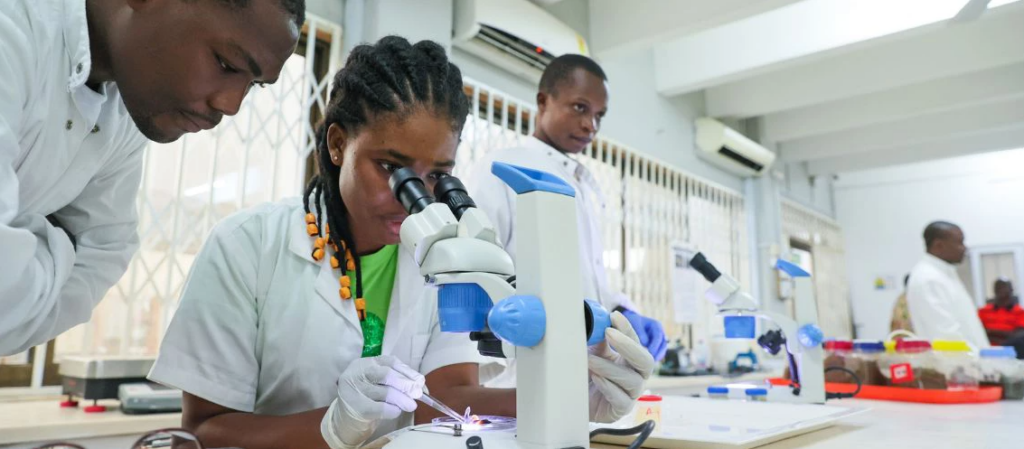
Additionally, centers of excellence play a major role in enhancing African healthcare systems. These days, a lot of universities focus on illness prevention, public health, and medical research. Researchers strive to treat illnesses like HIV/AIDS, malaria, TB, and newly developing viral infections. In order to improve healthcare services throughout the continent, these institutes train physicians, nurses, pharmacists, and medical scientists. Governments and international organizations frequently use the results of their study to inform the creation of emergency response plans and health policies.
Higher education centers of excellence are also having a significant impact on agricultural innovation. Many African countries still rely heavily on agriculture, and academic institutions are assisting farmers in increasing production through technology and research. Researchers and students create sustainable farming methods, drought-resistant crops, and contemporary irrigation techniques. These organizations assist African nations in addressing food insecurity and lessening the impact of climate change on rural communities by developing climate-smart agriculture.
The expansion of specialized universities and research organizations has also assisted engineering and infrastructure development. Engineers who design roads, bridges, railroads, energy systems, and communication networks are trained at African centers of excellence. Numerous alumni support technical advancement and national development initiatives. Universities assist in developing workable engineering solutions that promote industrialization and economic development throughout Africa through collaborations with businesses and governments.
Higher education institutions that concentrate on information and communication technologies have advanced digital transformation in Africa. Africa’s expanding digital economy is supported by the software engineers, cybersecurity specialists, data analysts, and digital entrepreneurs that universities are generating. Students interested in developing mobile applications, online enterprises, and financial technology services can receive training and mentoring from university innovation centers. Across the continent, these developments enhance information access, banking, education, and communication.
Promoting entrepreneurship and the development of jobs is another crucial function of centers of excellence. Instead of focusing only on job searchers, several African colleges now urge their students to become entrepreneurs and inventors. Students enrolled in entrepreneurship programs learn how to manage businesses, create business ideas, and draw in financing. Young entrepreneurs can receive financial assistance and mentoring from start-up incubators and innovation competitions. Consequently, graduates start companies that boost employment and the economy.
The quality of education and innovation has improved as a result of research collaboration between African universities and foreign organizations. African scholars can access cutting-edge technology, financial opportunities, and international knowledge networks through partnerships. Collaborative research initiatives tackle topics like digital transformation, energy sustainability, public health, and climate change. These collaborations also improve academic exchange programs, giving instructors and students the chance to expand their professional horizons and obtain foreign experience.
Excellent higher education institutions also support the growth of renewable energy sources and environmental sustainability. To lessen reliance on fossil fuels, researchers are investigating alternative energy sources like solar, wind, geothermal, and hydropower. Universities in Africa are assisting local communities in implementing eco-friendly technologies that promote sustainable development. In order to preserve natural resources for future generations, students receive training in waste management, climate adaption, and environmental conservation.
Higher education institutions are also making beneficial changes in the area of women’s and youth empowerment. To encourage more women to pursue careers in STEM fields—science, technology, engineering, and mathematics—many colleges offer leadership training, mentorship programs, and scholarships. Programs for youth innovation inspire young Africans to actively participate in societal change and development. Centers of excellence contribute to the reduction of gender inequality and the enhancement of social inclusion by fostering equitable access to leadership and educational opportunities.
These organizations also help African nations strengthen their governance and adopt new policies. In order to assist governments in making well-informed decisions, universities carry out research in the fields of economics, law, education, public administration, and political science. Policymakers frequently receive advice from university experts on national development plans, healthcare regulations, education reforms, and technological advancement initiatives. Their contributions enhance governance systems throughout the continent and fortify democratic institutions.
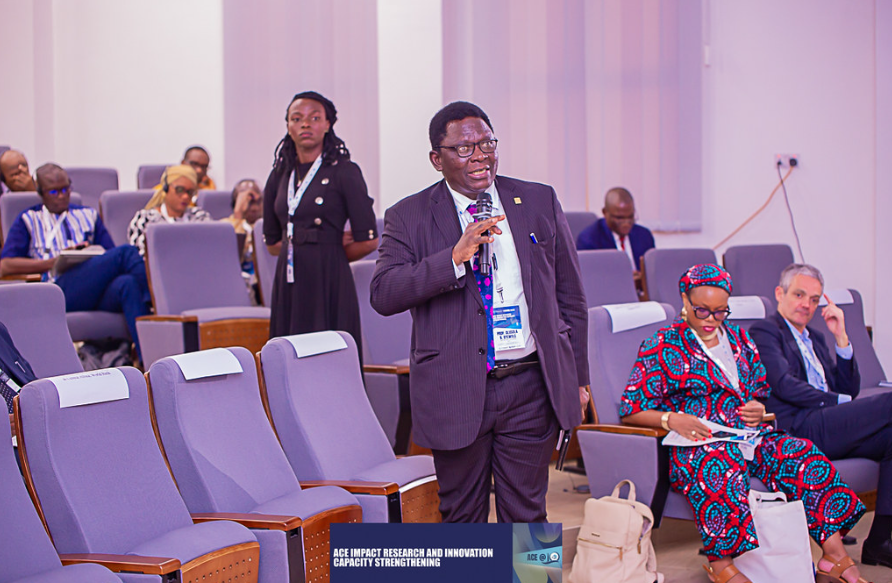
In conclusion, creativity and development in Africa are greatly aided by centers of excellence in higher education. These institutions are preparing Africa for a more prosperous future through research, technology, entrepreneurship, healthcare enhancement, agricultural progress, and environmental sustainability. They equip youth with the information and abilities necessary to tackle contemporary issues and compete on a global scale. Centers of excellence will continue to be significant drivers of social advancement, economic expansion, and long-term change throughout the continent as long as African governments and foreign partners continue to invest in higher education.