Africa’s economies are fast transforming due to digital transformation, which is opening up new job, entrepreneurial, and innovation opportunities. Millions of youth, however, still do not have access to the digital skills necessary to fully engage in the contemporary economy. By creating comprehensive plans that provide African youth with useful technological knowledge, MOHAC AFRICA can significantly contribute to closing this gap. African nations can empower a new generation of skilled workers and entrepreneurs by investing in digital literacy, online education, and innovation hubs.
Increasing access to inexpensive internet in both urban and rural areas is a crucial tactic. Due to expensive internet costs and inadequate infrastructure, many African youngsters are still cut off from digital potential. To enhance broadband access and provide students discounted internet subscriptions, governments, businesses, and development groups can work together. Young people can acquire coding, digital marketing, data analysis, and other useful skills through online platforms as internet connection becomes dependable and reasonably priced.
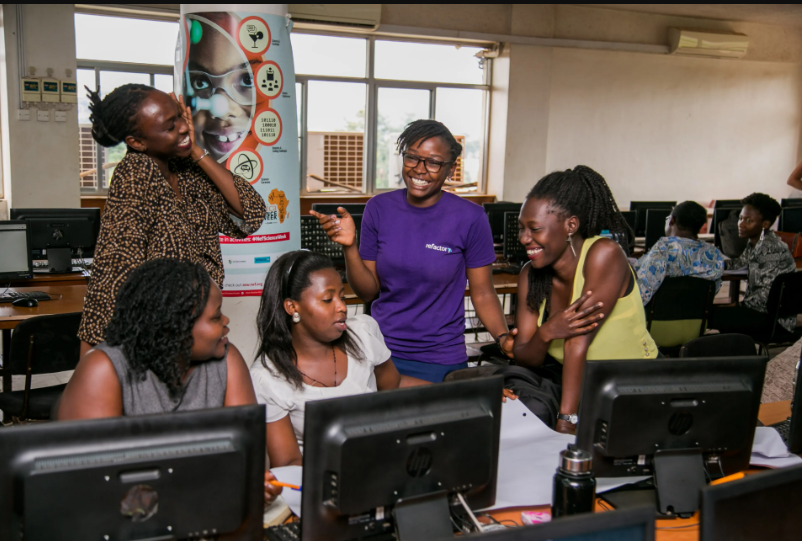
Including digital education in primary and university curricula is another successful strategy. Instead of treating technology as a specialized subject, schools should incorporate digital skills into regular instruction. Through technology, students can learn the fundamentals of computers, internet communication, cybersecurity, and problem-solving. Early exposure to digital technologies boosts young learners’ confidence in utilizing digital systems and equips them to easily adjust to future technological developments.
For digital education to be successful, teacher training is also crucial. There is still a dearth of highly tech-savvy teachers in many African schools. Large-scale teacher development initiatives that instruct teachers in digital teaching techniques and contemporary educational technologies can be funded by MOHAC AFRICA. Teachers that are knowledgeable about digital tools may design engaging classes, assist students with their online research, and provide them with real-world technology exposure that meets contemporary international standards.
In order to offer market-oriented digital training, technical and vocational education institutions should also be reinforced. Workers with expertise in software development, graphic design, artificial intelligence, cloud computing, and network management are in high demand in Africa. Short-term practical courses that directly educate young people for work options can be provided by vocational centers. These programs are particularly helpful for young people who seek important career skills but might not be able to attend traditional universities.
Collaborations with tech firms can speed up the development of digital skills even more. Training programs can be supported by international and African technology companies through internships, mentorship, scholarships, and free educational materials. Several African nations have already seen the introduction of digital training programs by corporations like Microsoft, Google, and IBM. These collaborations expose young people to international technical trends and professional networks while assisting in matching training to industry demands.
Community technology centers and innovation hubs are also effective resources for expanding digital skills. Technology centers are assisting young innovators in Africa to create digital enterprises, mobile applications, and innovative solutions to regional issues. These facilities offer collaborative workspaces, internet access, entrepreneurial advice, and mentorship. MOHAC AFRICA can provide accessible spaces where young people can experiment with technology and gain real-world experience by opening more innovation hubs in underprivileged areas.
Another scalable option for digital education is provided by online learning platforms. Thousands of students may learn at once, no matter where they are, thanks to massive open online courses and virtual training programs. Using computers and cellphones, African kids can take classes in artificial intelligence, web design, digital business, and coding. Additionally, flexible online learning makes education more accessible to a wider range of people by enabling students to continue their studies while working or taking care of other obligations.
Building sustainable digital economies also requires encouraging digital entrepreneurship. Even after completing formal schooling, many African youngsters still struggle with unemployment. Opportunities for self-employment can be created by teaching young people how to start digital enterprises, work as freelancers online, or develop technology firms. Through startup funding, mentorship programs, and innovation competitions that promote innovative technical solutions to regional problems, governments and organizations can assist young entrepreneurs.
Digital skills plans must continue to prioritize gender inclusion. Due to social, economic, or cultural considerations, girls and young women in many communities encounter obstacles when trying to utilize technology. Programs created especially to assist women to pursue careers in science, technology, engineering, and mathematics can be promoted by MOHAC AFRICA. Equal participation in the digital economy can be ensured and the gender gap can be closed with the aid of scholarships, mentorship programs, and safe online learning settings.
To create digital skills at scale, public-private collaborations are required. The infrastructure, financial resources, and skills needed for huge populations may be difficult for governments to supply on their own. Governments, academic institutions, non-governmental groups, financial institutions, and digital companies working together can develop long-term initiatives that benefit millions of youth. These collaborations can also promote certification programs that assist companies in identifying and trusting young people with training in digital competences.
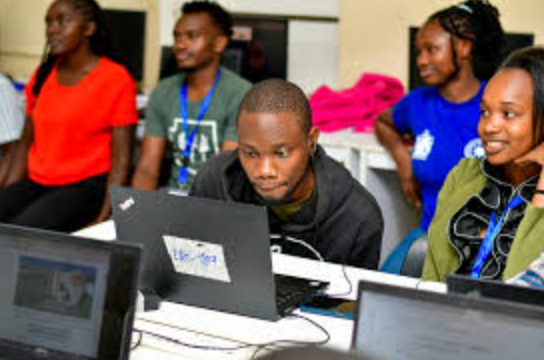
In conclusion, long-term commitment, teamwork, and inclusive planning are necessary to help African kids develop digital skills. By encouraging internet access, digital education, teacher preparation, innovation centers, entrepreneurship, and collaborations with tech companies, MOHAC AFRICA may make a substantial contribution. Giving young people access to contemporary technology skills will boost economic growth, lower unemployment, and make Africa a competitive player in the global digital economy as the region continues to embrace digital change.